

Gastric Sleeve Surgery
Gastric sleeve surgery has changed many people’s lives, and it can change yours too. With experience exceeding 5,000 procedures, including gastric sleeve surgeries in Egypt, Dr. Ahmad Shabana, Consultant Bariatric and Laparoscopic Surgeon, has helped thousands transform their lives for the better and healthier.
Are you considering gastric sleeve surgery and want to learn more about it? Contact us or book your consultation at Contours Obesity Surgery Center and get all the answers you need.

What is Gastric Sleeve Surgery?
Gastric sleeve surgery, or sleeve gastrectomy, is one of the most common bariatric surgeries worldwide. It is performed laparoscopically to remove a large portion of the stomach – around 70% to 90% – leaving the remaining section shaped like a narrow tube or “sleeve.”
That’s why some people call it sleeving surgery, which simply refers to the process of reshaping the stomach into a sleeve-like form.
The goal of this surgery is to reduce stomach size while preserving its normal digestive functions. This limits the amount of food and calories a person can consume in each meal and reduces the secretion of the hunger hormone ghrelin, helping the patient lose a significant amount of weight.
Advantages and Disadvantages of Gastric Sleeve Surgery
Gastric sleeve surgery is one of the most effective procedures for weight loss in people with severe obesity, especially when diet and exercise alone do not achieve satisfactory results. Just like any medical procedure, it has many benefits, but it also involves possible drawbacks or complications.
Advantages of Gastric Sleeve Surgery
- Significant excess weight loss: It helps patients lose a large percentage of their excess weight during the first 6 to 12 months after surgery.
- Improvement of obesity-related diseases: The procedure can greatly reduce or help treat conditions associated with obesity, such as:
- Type 2 diabetes
- High blood pressure
- Sleep disorders, such as sleep apnea
- High cholesterol and triglycerides
- No foreign body implantation or intestinal bypass: Unlike some other procedures such as gastric bypass, a sleeve gastrectomy does not involve inserting foreign objects or changing the path of the digestive system. It is considered simpler compared to bypass procedures.
- Improved quality of life: Weight loss and improved general health can lead to increased activity, better psychological well-being, and improved self-confidence.
- Reduced appetite: Because a large part of the stomach is removed, ghrelin levels decrease, reducing the feeling of hunger and helping lower food and calorie intake.
- Suitable for various age groups: It can be performed on patients of all ages, from 10 to 70 years, following a thorough evaluation by a qualified surgeon.
Disadvantages and Possible Complications
Although highly effective, gastric sleeve surgery may have side effects and complications that vary from person to person, including:
- Short-term side effects:
- Vomiting or nausea, especially in the first few months (particularly if the surgeon is inexperienced or a technical error occurs during surgery).
- Constipation or digestive disturbances.
- Dehydration due to reduced fluid intake.
- Later nutritional problems:
- Deficiency of certain vitamins and minerals, such as iron, vitamin B12, and calcium, if supplements are not taken regularly.
- Excessive loss of appetite, which may lead to malnutrition.
- Hair loss: This may occur in the first few months due to rapid dietary changes and weight loss.
- Loose skin: This may result from rapid weight reduction, especially in the abdomen, arms, and thighs.
- The need for a complete lifestyle change: Patients must follow a strict diet and maintain regular medical follow-up to avoid weight regain or complications.
- Stomach leakage: Rare but serious; this is prevented through meticulous surgical technique, high-quality tools, good preoperative preparation, and strict adherence to postoperative instructions.
Final Thought Regarding the Advantages and Disadvantages
Despite these possible side effects, the procedure is generally safe and provides excellent results. Many complications can be avoided through close follow-up with your doctor. Long-term studies show that gastric sleeve surgery is successful in achieving sustained weight loss and improving conditions such as type 2 diabetes and high blood pressure for more than 10 years.
Who is Eligible for Gastric Sleeve Surgery?
- People with severe obesity and a body mass index (BMI) of 40 or higher.
- People with a BMI between 35 and 39.9 who also suffer from weight-related diseases such as type 2 diabetes, high blood pressure, or sleep apnea.
- Select cases of severe obesity in children and adolescents, following a comprehensive medical evaluation.
- Patients with obesity-related health conditions, including high blood pressure, high cholesterol, diabetes, sleep apnea, and delayed childbearing—often due to polycystic ovary syndrome (PCOS) in women and reduced sperm quality in men.
- Patients diagnosed with metabolic syndrome, or obesity accompanied by diabetes or hypertension.
- Women with obesity who experience heavy menstrual bleeding.
- Postmenopausal women with obesity, as this option avoids affecting calcium absorption and thus helps reduce the risk of osteoporosis.
Contraindications: Candidates should not have a history of frequent or severe gastroesophageal reflux disease (GERD).
What to Expect After Surgery
Every body is different, so expectations after surgery vary from person to person. Some people lose weight quickly and significantly, while others lose weight more gradually.
On average, patients lose around 60% to 70% of their excess weight after gastric sleeve surgery. Here’s a rough timeline:
- First 45 days: About 20% to 30% of excess weight.
- Third month: About 35% to 45% of excess weight.
- Sixth month: About 50% to 60% of excess weight.
- Months 12 to 18: About 60% to 70% of excess weight.
Gastric Sleeve Operation Recovery Time
Most patients stay in the hospital for about 1–2 days and can usually return to normal daily activities within 2–4 weeks, depending on their job requirements and overall health status.
How to Prepare for Gastric Sleeve Surgery
Before surgery, the patient undergoes comprehensive testing, including blood panels, heart and lung function checks, and a nutritional evaluation. Patients are also advised to stop smoking well before surgery and avoid certain medications that may increase bleeding risk, such as non-steroidal anti-inflammatory drugs (NSAIDs).
It is also important to consider the psychological aspect. The patient should fully understand the procedure, including its benefits and possible side effects, as informed consent is essential before any surgery. A positive and supportive environment is highly recommended to help the patient before, during, and after the procedure.
Recovery After Gastric Sleeve Surgery
Before Leaving the Hospital:
- The patient usually stays in the hospital for one night under close observation.
- The patient is encouraged to move around and walk two hours after surgery to prevent blood clots.
- The patient begins drinking clear fluids 12 hours after surgery.
After Leaving the Hospital:
Because the surgery is laparoscopic, recovery is much shorter than with traditional open surgery. In general, patients can return to light desk work within a few days. After returning home, it is important to follow these instructions:
- Walk for 30 minutes daily for the first month.
- Avoid heavy physical effort, strenuous activities, and lifting heavy objects.
- Avoid smoking for at least two weeks.
- Avoid alcohol for at least one month.
Medical Follow-Up Schedule:
- First visit: One week after surgery.
- Second visit: Six weeks after surgery.
- Subsequent care: Regular monthly clinic visits or as advised by the medical team.
The Importance of Choosing the Right Doctor
Experience plays a pivotal role in determining surgical outcomes. Dr. Ahmad Shabana combines solid practical experience with advanced scientific knowledge, backed by a strong record of successful results. He has performed thousands of successful procedures and holds several medical and obesity treatment credentials, making him one of the leading gastric sleeve surgeons in Egypt and a preferred choice for many patients seeking excellent results.
Learn more about Dr. Ahmad Shabana’s professional background by visiting: [About Dr. Ahmad Shabana].
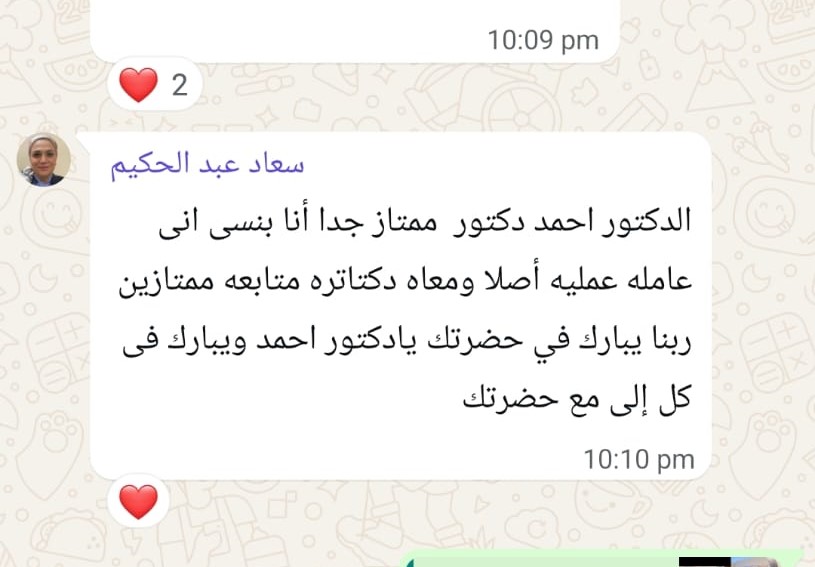
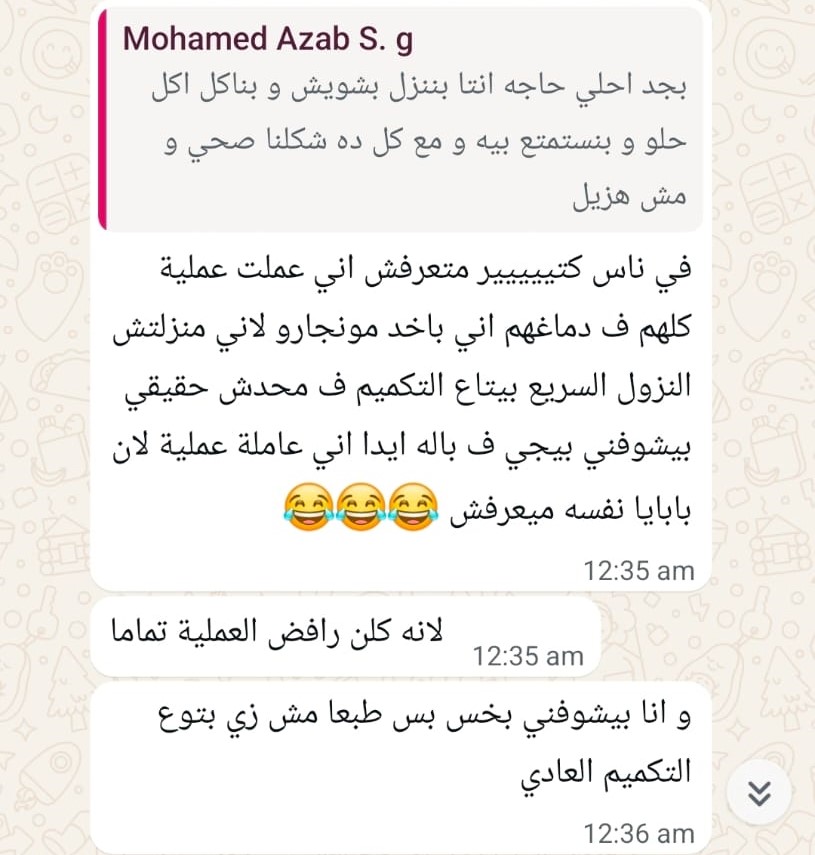
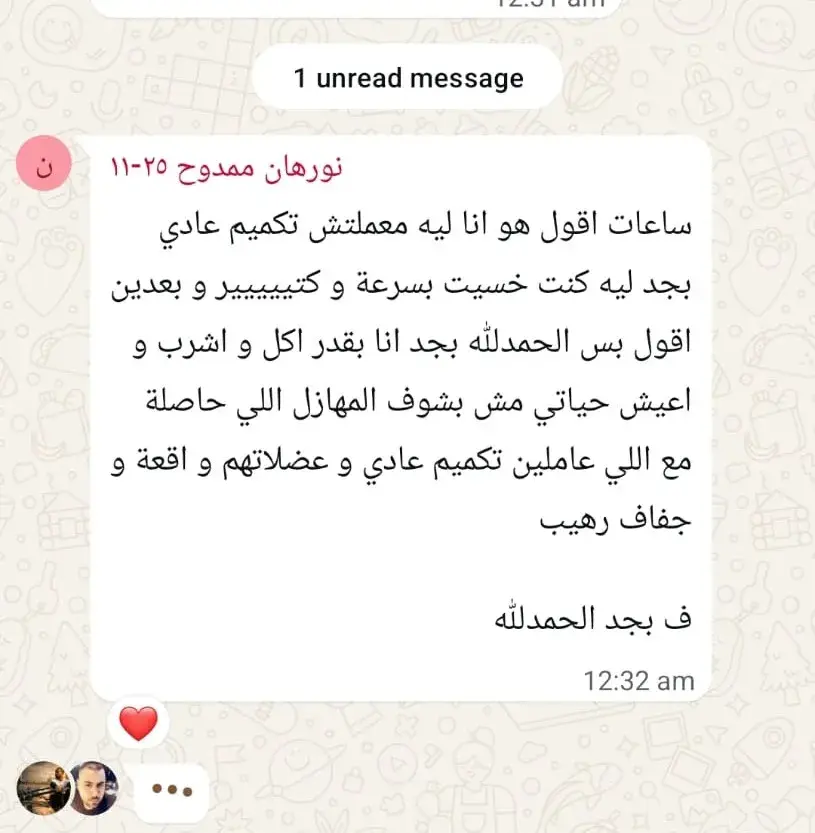
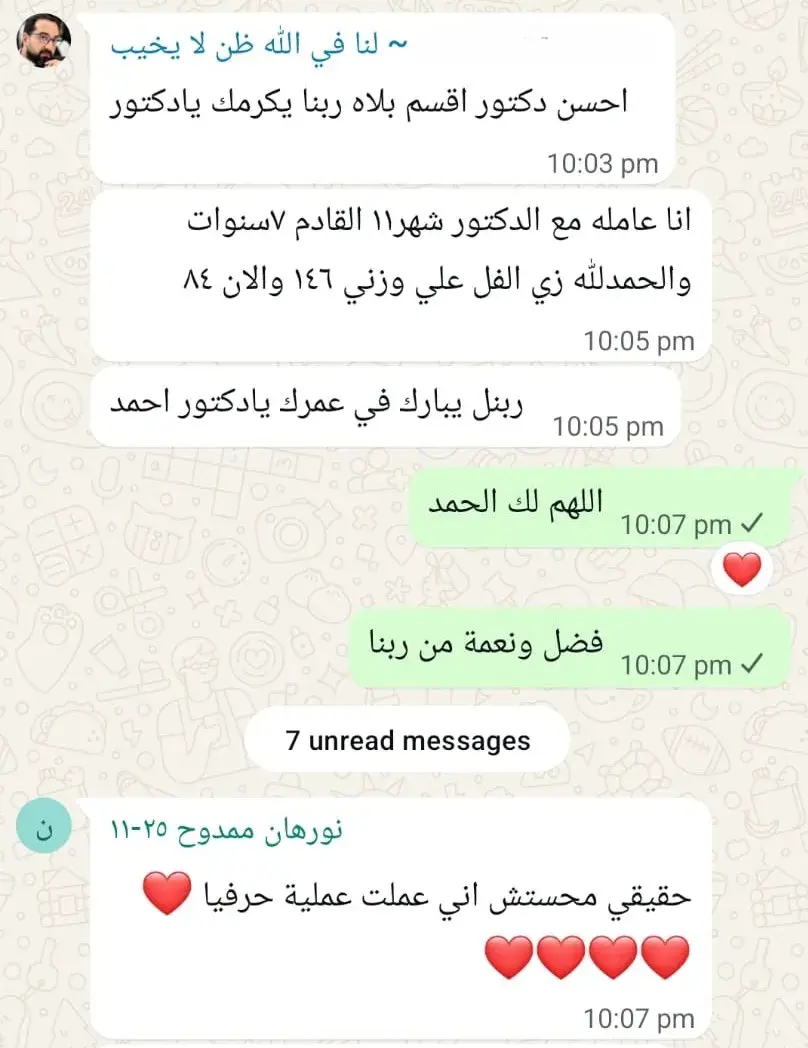
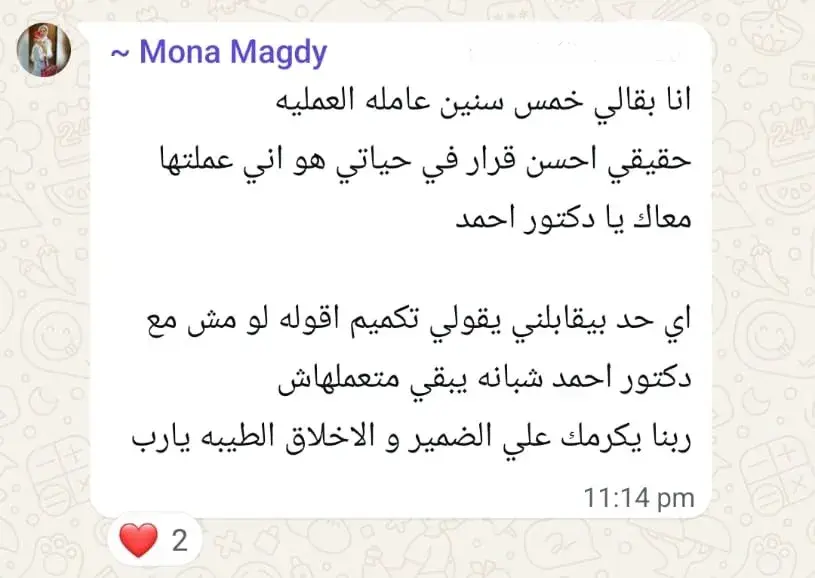
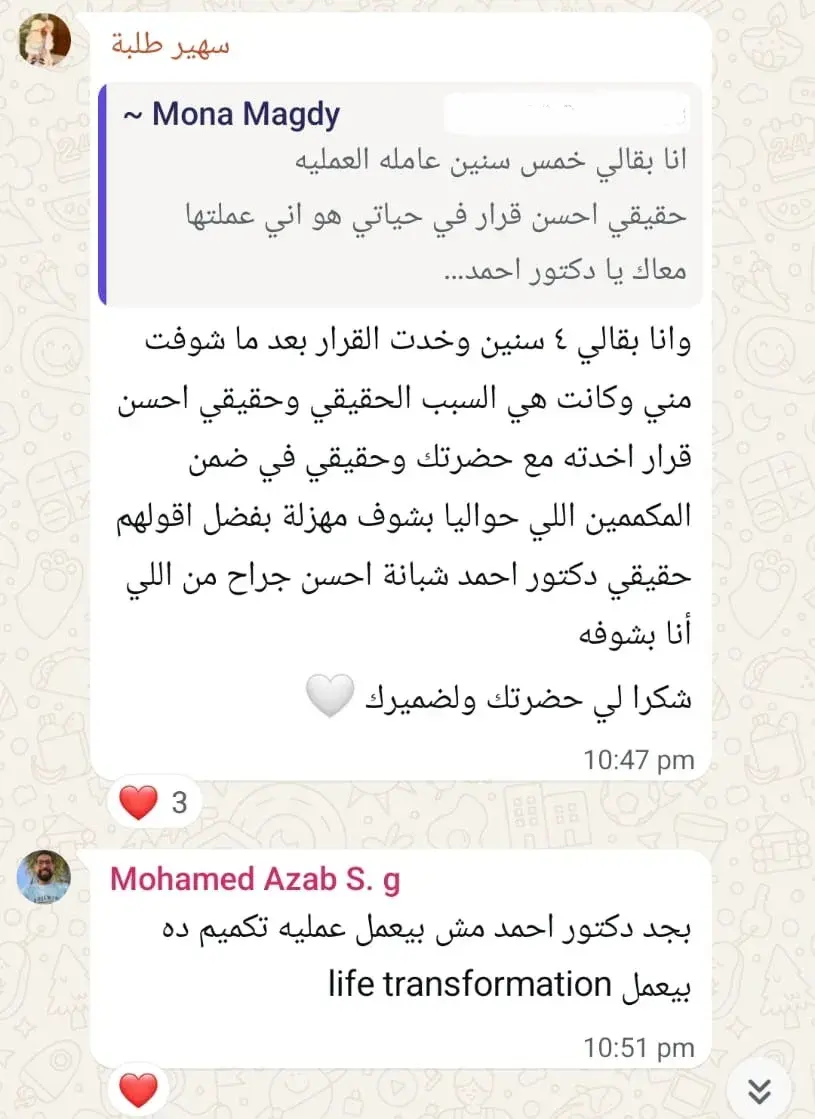
Mini Sleeve Gastrectomy Patient Reviews with Dr Ahmad Shabana



Start a Healthier Life with Dr. Ahmad Shabana
Book your consultation at Contours Center under the supervision of Dr. Ahmad Shabana, one of the best bariatric surgeons in Egypt and begin your obesity treatment journey safely and effectively. Move toward a healthier weight and a more active, energetic life.
If you’re considering bariatric surgery, Dr. Shabana will carefully assess your health condition, lifestyle, and goals to recommend the most suitable treatment.
- Personalized medical evaluation
- Clear explanation of procedures
- Safe, evidence-based treatment approach
لو بتفكر في جراحات السمنة ومحتار تختار الإجراء المناسب، دكتور أحمد شبانة هيقيّم حالتك الصحية بشكل شامل، ويفهم نمط حياتك وأهدافك، علشان يرشح لك الحل الأنسب، سواء تكميم دقيق، تحويل مسار، بالون…
- تقييم طبي مخصص لكل حالة
- شرح واضح لكل الخيارات المتاحة
- خطط علاج آمنة ومعتمدة طبيًا
FAQs
Who should not undertake gastric sleeve operation?
- If an experienced doctor didn’t qualify the patient for the surgery.
- If the patient is pregnant.
- If the patient is addicted to alcohol or drugs.
- If the patient has an untreated stomach ulcer.
- The patient suffers from Barrett’s syndrome, long standing severe reflux.
- The patient suffers from ‘achalasia’ narrowing of the oesophagus.
- Diaphragmatic hernias of large size or severe oesophageal reflux.
Is the gastric sleeve surgery painful?
It is possible that you’ll have some pain right after surgery, but it’s usually well-controlled with medication. Most people report the discomfort improves within a few days.
How long does a gastric sleeve last?
Technically, the anatomical change is permanent, but weight regain can happen if lifestyle changes aren’t maintained.
What are Gastric sleeve surgery long term effects:
Besides significant weight loss and health improvements, long-term effects might include nutritional deficiencies that need lifelong monitoring.
Some people say "Gastric sleeve surgery ruined my life" why does this happen?
While rare, some patients struggle with complications or unexpected emotional changes. It highlights why psychological support and good follow-up with an experienced doctor are important.
Gastric bypass vs sleeve: Which is better for me?
While both surgeries aim for weight loss, the gastric bypass redirects part of the intestine, whereas the sleeve only reduces stomach size without intestinal bypass. Each has unique pros and cons that you should discuss with your surgeon.
What should I expect after gastric sleeve surgery?
After gastric sleeve surgery, expect a short hospital stay, gradual progression from liquids to soft food, and steady weight loss with the need for long term follow up and vitamin support.
What are the risks of gastric sleeve surgery?
The risks of gastric sleeve surgery include bleeding, infection, blood clots, anesthesia complications, and staple line leak, but in experienced hands it remains one of the safest bariatric operations.
What happens if I stop losing weight after gastric sleeve?
A weight loss plateau after gastric sleeve can happen and does not necessarily mean the operation failed, but it usually means we need to review food choices, activity level, protein intake, and long term habits closely.
Can iron deficiency occur after gastric sleeve?
Yes, iron deficiency can occur after gastric sleeve because food intake and iron absorption may decrease, so regular blood tests and the right supplements are important especially for women.


