

Mini Sleeve Surgery
Mini Sleeve Surgery (Mini Gastric Sleeve) is an advanced form of sleeve gastrectomy that reduces stomach size for effective weight loss, using refined laparoscopic techniques that minimize scarring, pain, and recovery time, and is performed by Dr. Ahmad Shabana following a thorough medical evaluation.

What Is Mini Sleeve Surgery (Precision Sleeve Gastrectomy)?
Mini Sleeve Surgery is a surgical procedure in which the size of the stomach is reduced using ultra-fine laparoscopic tools, reshaping the stomach into a long, narrow tube while preserving its natural function. This results in:
- Reduced food intake per meal, helping the patient feel full quickly.
- Reduction of the hunger hormone (Ghrelin), since the part of the stomach responsible for its secretion is removed, which significantly suppresses appetite.
What distinguishes Mini Sleeve Surgery is that it is performed with the smallest possible surgical intervention, helping to reduce pain, minimize side effects, and accelerate recovery.
Mini Gastric Sleeve vs. Traditional Sleeve Gastrectomy: What’s the Difference?
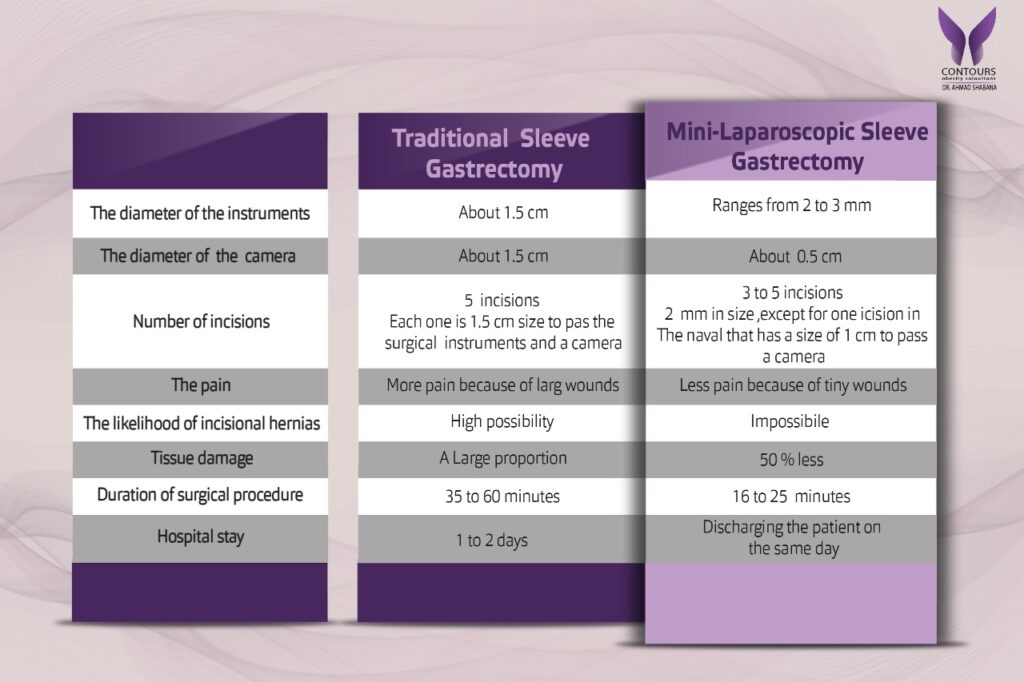
Although both procedures share the same surgical concept, the differences are significant:
- Incision size: Mini Sleeve Surgery requires only 5 tiny incisions totaling about 1.5 cm, while traditional Gastric Sleeve incisions reach up to 7.5 cm in total.
- Surgical duration: The Mini Gastric Sleeve takes approximately 16 to 25 minutes, compared to 150 to 240 minutes for the traditional procedure.
- Hospital stay: Patients undergoing Mini Sleeve Surgery are typically discharged the same day, while traditional sleeve patients usually stay 1 to 2 days.
- Recovery period: Recovery after the Mini Gastric Sleeve takes 5 to 7 days, compared to 10 to 15 days following traditional sleeve gastrectomy.
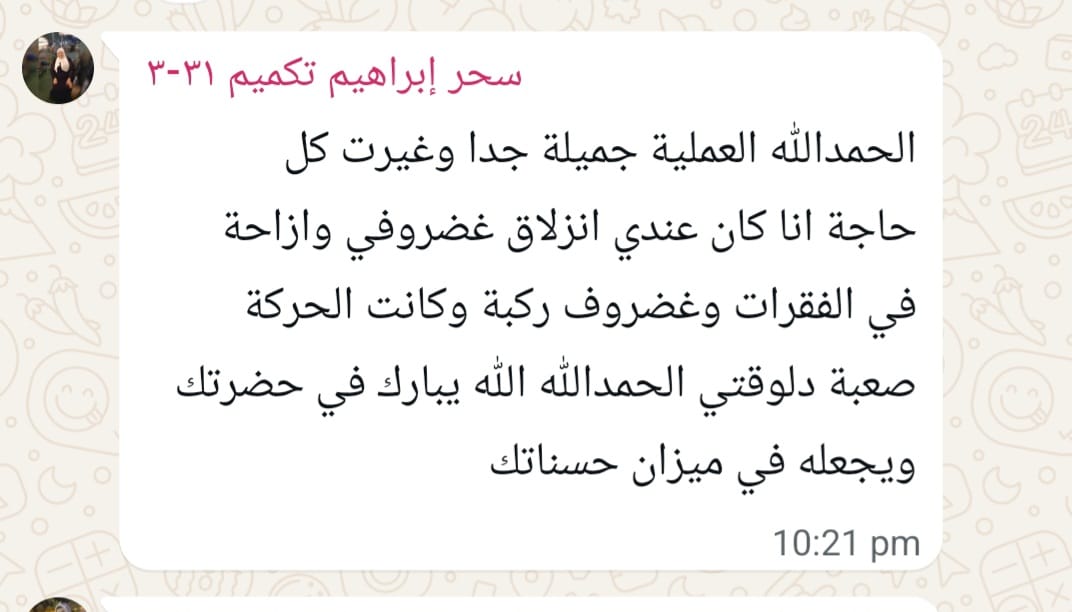
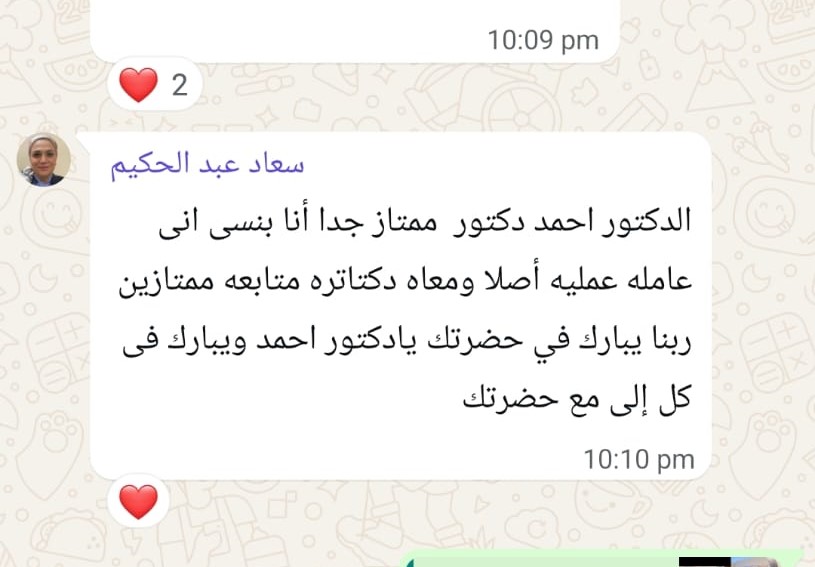
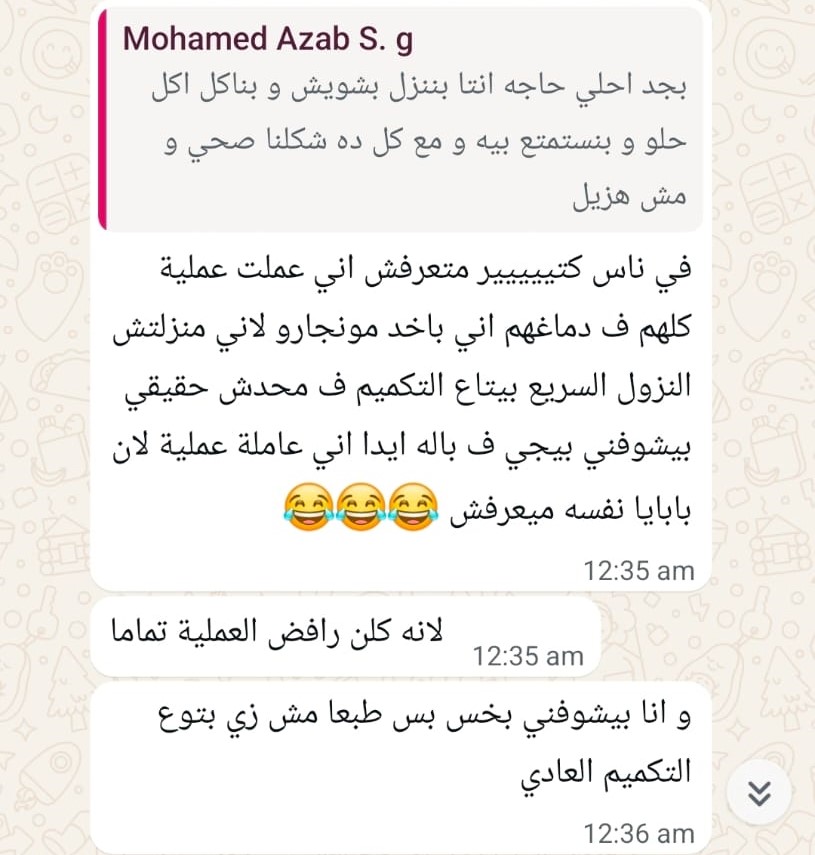
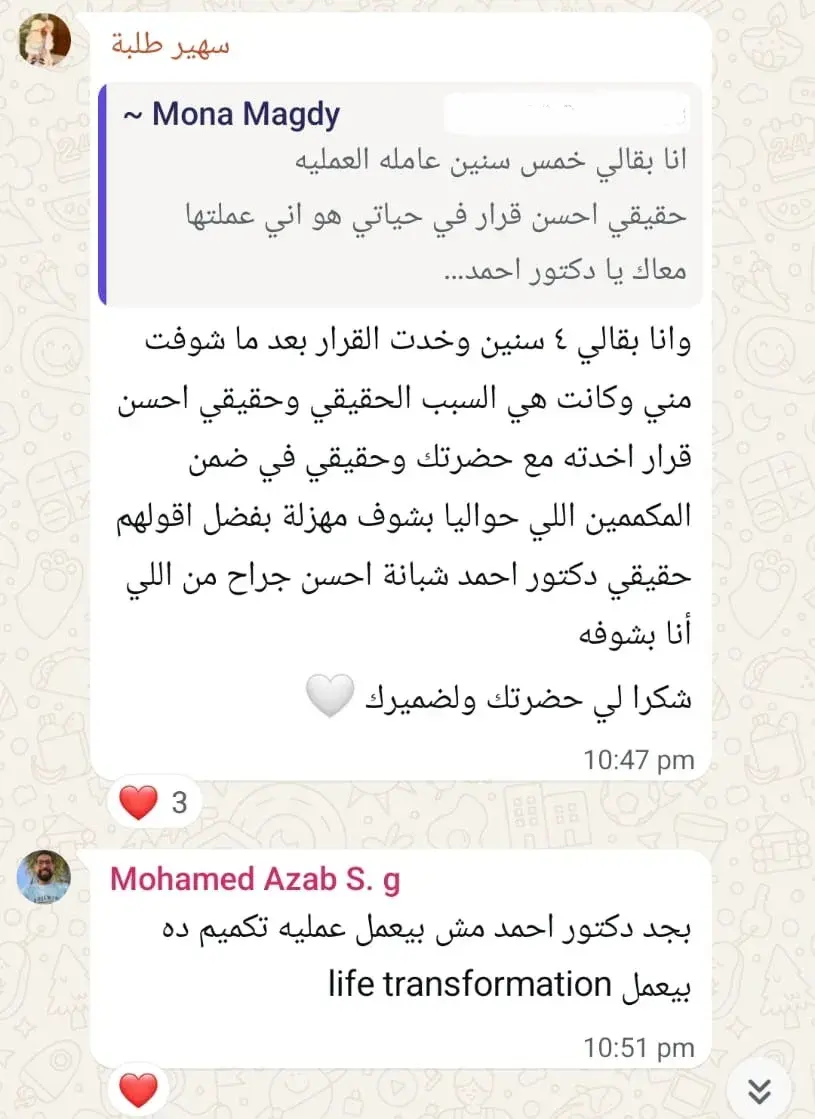
Mini Sleeve Gastrectomy Patient Reviews with Dr Ahmad Shabana
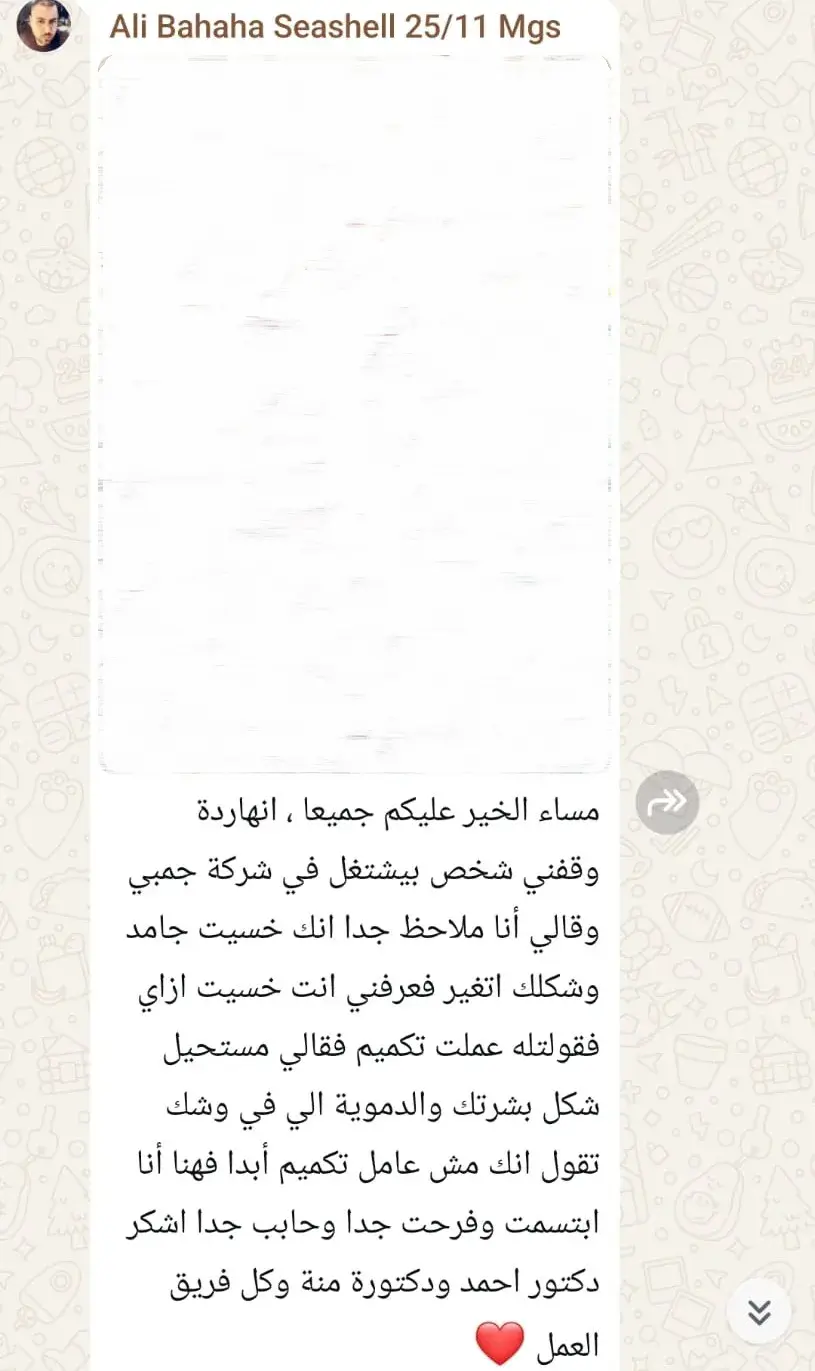
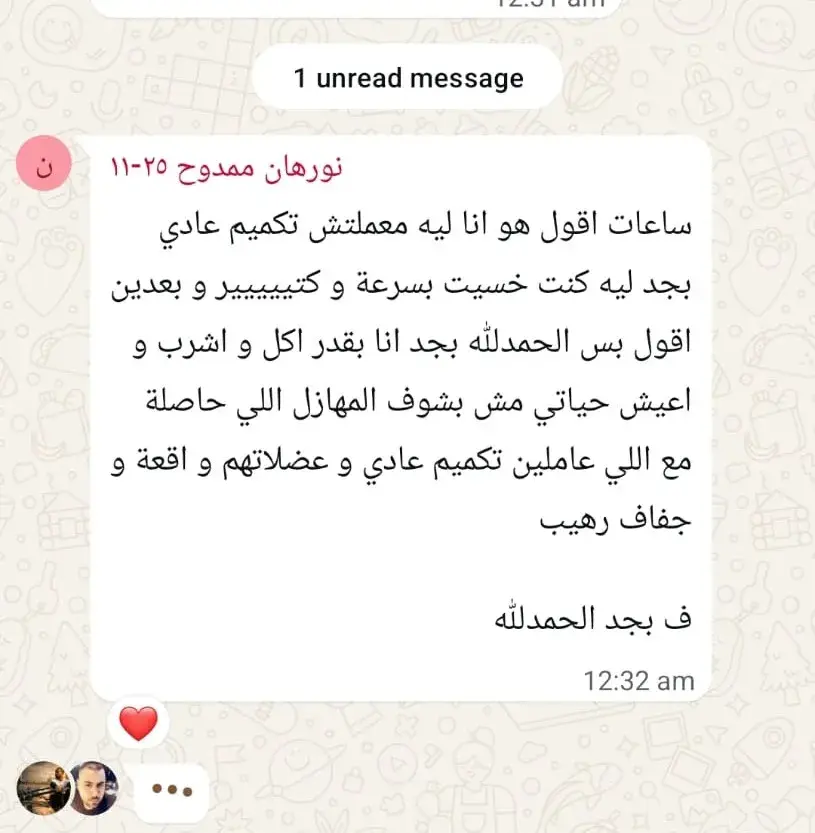
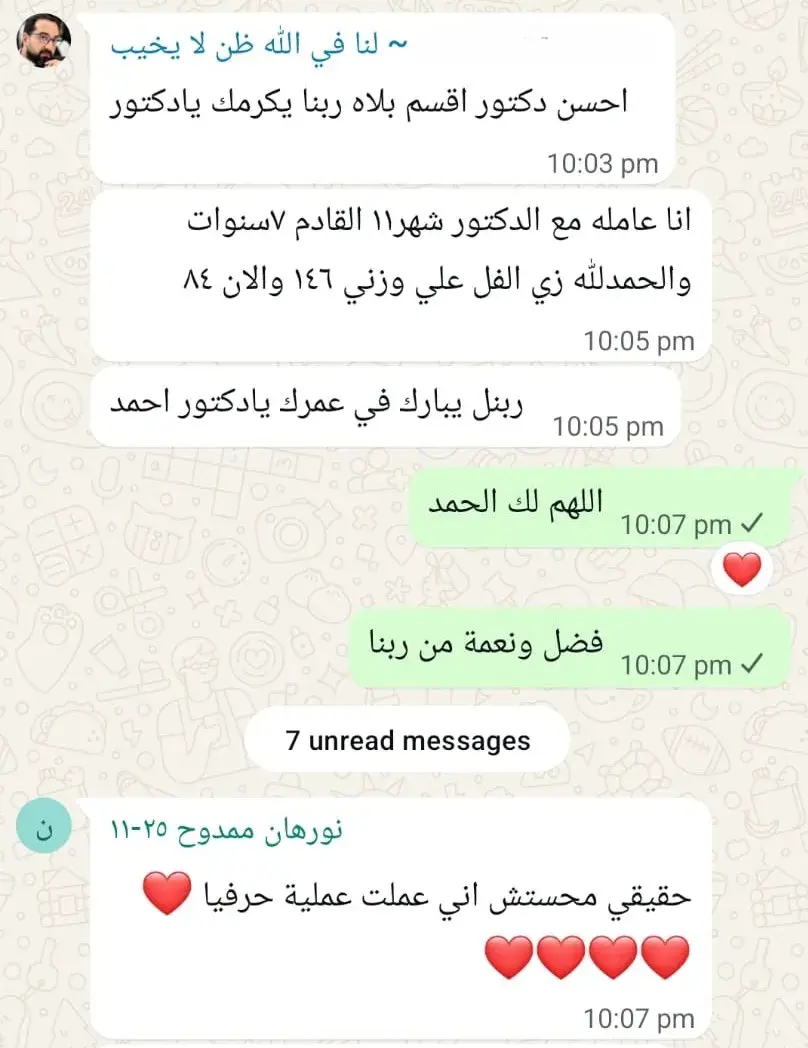
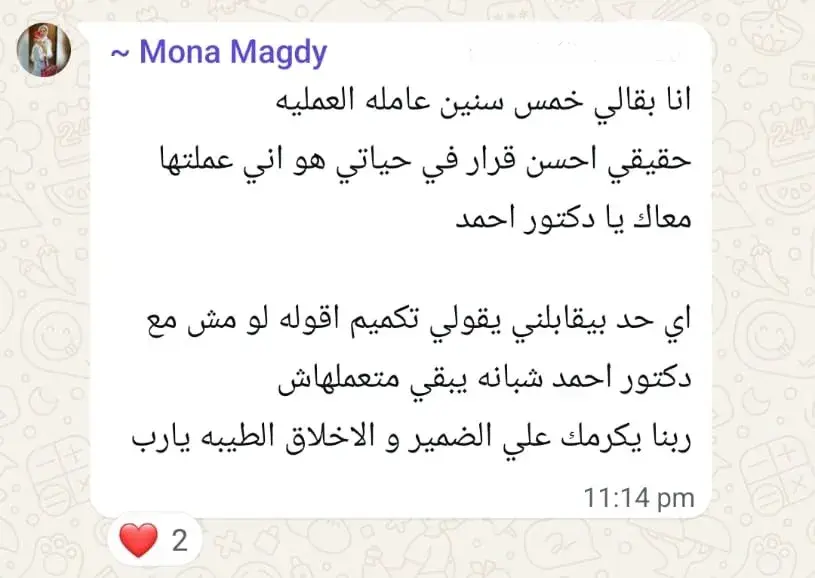

Exploring weight loss surgeries? Dr. Shabana’s clinics are fully equipped to provide care tailored to your needs.
- Specialized expertise in bariatric surgery
- Advanced medical technology
- Continuous care before and after
How Is Mini Sleeve Surgery Performed Laparoscopically?
Mini Sleeve Surgery is performed under general anesthesia and usually takes between 16 and 25 minutes, depending on the patient’s condition and the surgeon’s experience.
The procedure follows several steps:
- General anesthesia: The anesthesiologist monitors the patient’s vital signs throughout the procedure to ensure safety.
- Tiny incisions: The surgeon creates several very fine incisions in the abdomen with a diameter of 2–3 mm, plus a small incision in the navel for the camera.
- Insertion of micro-laparoscopic instruments: A miniature camera and surgical tools are inserted, providing the surgeon with a clear, magnified view of the stomach on a high-definition screen.
- Stomach reduction: The surgeon removes a portion of the stomach using specialized tools, reshaping it into a tube that limits food intake.
- Stomach integrity check: The surgeon ensures the stomach is sealed and secure before completing the procedure.
- Closure of incisions: The tiny openings are closed with fine sutures, allowing for excellent healing and minimal visible scarring.
Who Is the Right Candidate for Mini Sleeve Surgery?
Mini Sleeve Surgery may be suitable for many obesity patients who require sleeve gastrectomy but prefer a less invasive approach with smaller scars and a shorter recovery. The Mini Gastric Sleeve is generally appropriate for the following cases:
- Patients with a Body Mass Index (BMI) of 40 or higher.
- Patients with a BMI of 35 or higher who also suffer from a comorbidity such as type 2 diabetes, high blood pressure, or sleep apnea in line with the recommendations of the NIDDK and ASMBS.
- Patients who have tried diets and exercise for long periods without achieving sustainable results.
- Patients who prefer a less invasive surgical approach to minimize post-operative pain and recovery time.
- Cases where reducing the risk of incisional hernia at the port sites is a priority.
It is important to note that Mini Sleeve Surgery is not selected based on weight alone. The success of the procedure depends on evaluating eating habits, overall health, and the patient’s expectations. The doctor determines suitability after a thorough examination and review of lab tests, and may suggest an alternative procedure if it is more appropriate for the case.
Cases Not Suitable for Mini Sleeve Surgery
Although Mini Sleeve Surgery uses the same principle as traditional sleeve gastrectomy with smaller instruments, it is not suitable for every patient. This is an important point to clarify before making any decision.
Cases where Mini Sleeve Surgery may not be the best option include:
- Patients suffering from severe gastroesophageal reflux disease (GERD) or Barrett’s esophagus in these cases, gastric bypass may be a better option based on the doctor’s evaluation.
- Patients who require a stronger metabolic effect for advanced diabetes or metabolic disorders, where gastric bypass may be more effective.
- Patients with a history of complex stomach surgeries, except after careful evaluation.
- Patients unable to commit to dietary guidelines and post-operative medical follow-up.
- Patients with a large hiatal hernia requiring specialized intervention.
- Patients with unstable medical or psychological conditions that need to be addressed before considering surgery.
Advantages of Mini Sleeve Surgery (Mini Gastric Sleeve)
Mini Sleeve Surgery offers several benefits that make it an attractive option for patients seeking the results of sleeve gastrectomy with the least possible surgical intervention. Key advantages include:
- Tiny incisions measuring only 2 to 3 mm in diameter, which fade noticeably within a short recovery period.
- Lower risk of incisional hernia at the port sites due to their small size.
- Faster recovery and earlier return to daily activities.
- Shorter hospital stay usually only one to two days.
- Less tissue trauma thanks to the precision instruments used.
- The same effectiveness as traditional sleeve gastrectomy in achieving weight loss, since the surgical concept is identical.
Disadvantages of Mini Sleeve Surgery
Like any surgical procedure, Mini Sleeve Surgery has some considerations to be aware of:
- The procedure requires advanced surgical expertise in handling micro-laparoscopic tools not every surgeon is qualified to perform it.
- Like traditional sleeve gastrectomy, it does not treat acid reflux, and in some cases may worsen it.
- Removing part of the stomach is an irreversible procedure.
- The outcome depends heavily on the patient’s commitment to dietary habits and follow-up; otherwise, weight regain may occur.
- Some patients may require nutritional supplements and vitamins for a period after surgery, depending on lab results and follow-up.
How Do We Minimize the Risks and Maximize the Success of Mini Sleeve Surgery?
- The doctor’s role: Begins with a thorough pre-operative assessment reviewing medical history, calculating BMI, examining the esophagus and stomach when needed, and determining whether Mini Sleeve Surgery is the most appropriate procedure or whether a better alternative exists.
- The surgical team’s role: Ensures the procedure is performed safely by precisely using the 2 mm instruments, adhering to the appropriate bougie size during sleeve creation to avoid stricture or dilation, and performing a leak test before completing the operation.
- The role of post-operative follow-up: Regular visits are scheduled to monitor weight, blood tests, and vitamin levels, and to address any issue early such as reflux or food intolerance.
The patient’s role is the most important factor in the outcome, and includes:
- Following the post-operative dietary stages (liquids, then soft foods, then regular food).
- Avoiding carbonated drinks and high-calorie juices.
- Drinking sufficient water daily.
- Engaging in regular physical activity after recovery.
- Adhering to follow-up appointments and blood tests.
The Diet After Mini Sleeve Surgery
After Mini Sleeve Surgery, patients follow a gradual, multi-stage diet to avoid complications. The patient begins with clear liquids, then moves to thicker liquids, followed by soft foods, and finally regular food over a few weeks. Despite the smaller stomach size, most patients adapt to their new eating pattern without feeling deprived, thanks to the procedure’s effect on the hunger hormone.
The Importance of Vitamins After Mini Sleeve Surgery
Unlike some other bariatric procedures, Mini Sleeve Surgery does not always require lifelong vitamin supplementation. Thanks to the advanced technique, some patients may not need permanent supplements. Even patients who prefer IV drips often need only one session per month for 4 to 6 months, with no long-term commitment required.
Recovery After Mini Sleeve Surgery (Mini Gastric Sleeve)
Recovery after Mini Sleeve Surgery is significantly faster than after traditional sleeve gastrectomy, due to the smaller incisions and reduced tissue trauma.
- Hospital stay: Usually 1 to 2 days after the procedure.
- Returning home: The patient can walk and perform light activity from the first day.
- Returning to work: Typically within 1 to 2 weeks, depending on the nature of the job.
- Returning to full physical activity: Gradually, after 4 to 6 weeks.
- Follow-up: Periodic visits with the doctor (after one week, one month, three months, six months, and one year) to monitor weight and lab results.
Why Choose Contours Center for Mini Sleeve Surgery?
Choosing the right surgeon and medical center is the most important decision after deciding to undergo surgery itself, because the quality of execution directly affects the safety and outcome of the procedure.
At Contours Center with Dr. Ahmed Shabana, we offer:
- Extensive experience in bariatric surgery and Mini Sleeve Surgery.
- The use of ultra-fine 2 mm laparoscopic instruments meeting the latest international standards.
- A comprehensive pre-operative evaluation including medical history, lab tests, and gastric examination when necessary.
- An integrated medical team of anesthesiologists, nutritionists, and post-operative follow-up specialists.
- Approved safety protocols designed to minimize complications.
- Long-term follow-up to ensure lasting results.
For patients searching for a Mini Gastric Sleeve in Egypt, Contours Center provides world-class surgical standards combined with personalized care tailored to each individual case.
About Dr. Ahmed Shabana
Dr. Ahmed Shabana is a Consultant Bariatric and Laparoscopic Surgeon with extensive experience in sleeve gastrectomy, gastric bypass, and revisional bariatric surgery.
He is among the leading specialists dedicated to advancing micro-laparoscopic (2 mm) bariatric surgery techniques to deliver safe outcomes with the least possible surgical intervention.
His approach is built on the individual evaluation of every case before deciding on the most suitable procedure never applying a single surgical option to all patients.
Book your consultation today at Contours Center under the supervision of Dr. Ahmed Shabana, and start your weight loss journey safely with modern techniques.
FAQs
Why should I choose Mini Sleeve?
Every patient is different. But the Mini Gastric Sleeve stands out as a modern, less invasive option with excellent cosmetic and weight-loss results. If your BMI is above 40 and you’re looking for minimal scars, it could be the right choice.
The consistent basis in the science of surgery is that the larger the wound, the greater the side effects resulting from that surgery.
Therefore, it has been necessary for the development of this science to search for new surgical methods that reduce the need for large incisions in surgical intervention.
What is Mini Gastric Sleeve?
It’s a type of sleeve gastrectomy done with ultra-thin (2 mm) laparoscopic instruments to reduce surgical scars and recovery time while keeping the same benefits of the regular gastric sleeve operation.
What BMI is required for a mini sleeve?
Usually, BMI ≥40, or ≥35 if there are obesity-related health problems like type 2 diabetes or hypertension.
What’s the difference between standard laparoscopic tools and micro-laparoscopic tools?
Traditional tools are about 5–15 mm wide, while micro-laparoscopic tools are only 2 mm, meaning much smaller incisions and fewer visible scars.
Which is better: mini sleeve or SASI bypass?
It depends on each patient’s goals and health status. The mini sleeve is highly effective and less invasive, while the SASI may help control type 2 diabetes alongside weight loss.
What is the difference between mini sleeve and full gastric sleeve?
Mini sleeve uses ultra thin laparoscopic instruments to reduce scars and speed recovery, while full gastric sleeve is the standard operation using larger instruments with the same main goal of reducing stomach size.
Who is eligible for mini sleeve surgery?
Mini sleeve surgery is generally offered to patients who meet bariatric surgery criteria, especially those with BMI 40 or more or BMI 35 with obesity related diseases after full medical evaluation.
What is the difference between mini sleeve and mini gastric bypass?
Mini sleeve mainly works by reducing stomach size and appetite, while mini gastric bypass combines stomach restriction with intestinal bypass so it usually has a stronger metabolic effect but needs closer nutritional follow up.
Exploring weight loss surgeries? Dr. Shabana’s clinics are fully equipped to provide care tailored to your needs.
- Specialized expertise in bariatric surgery
- Advanced medical technology
- Continuous care before and after
سواء كنت في بداية التفكير في جراحات السمنة أو جاهز تاخد الخطوة، عيادات د. أحمد شبانة مجهزة لتقديم تقييم شامل ورعاية طبية متكاملة بأعلى المعايير.
- إشراف طبي متخصص في جراحات السمنة
- أحدث التقنيات والتجهيزات الطبية
- متابعة مستمرة قبل وبعد العملية


